
That judgment is something we teach directly. Part of learning to use AI well is learning to evaluate its output, check it against what you know and revise it until it actually serves your students. This often means going beyond one or two prompts and then editing the materials directly.
The AI Enhanced Classroom
The AI Enhanced Classroom equips SOE student teachers to use artificial intelligence with confidence and to teach their own students to better understand AI's uses and limitations.
Using AI in Education
Think of AI as a helpful colleague who never gets tired. In the classroom, it can draft lesson plans and adapt materials for different learners, and it can give students a patient tutor for the concepts that trip them up. Behind the scenes, it can help you dig into research and grow as an educator by talking through new strategies whenever you have a spare minute.
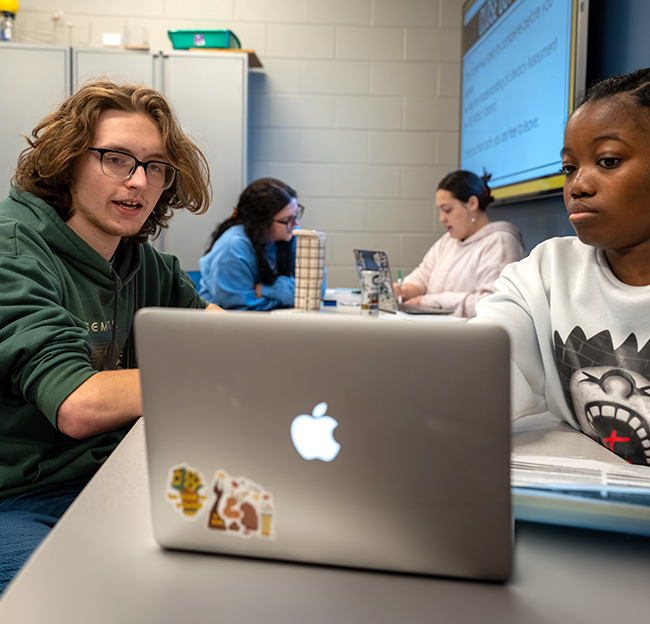
AI Prompting 101
Getting great results from AI starts with a great prompt. Be clear and specific about what you want, share relevant background, and describe the format, tone, and length you’re looking for. Examples of what you do (and don’t) want help guide the response, and a quick follow-up can refine the result. A few extra seconds of detail up front saves time and delivers better results.
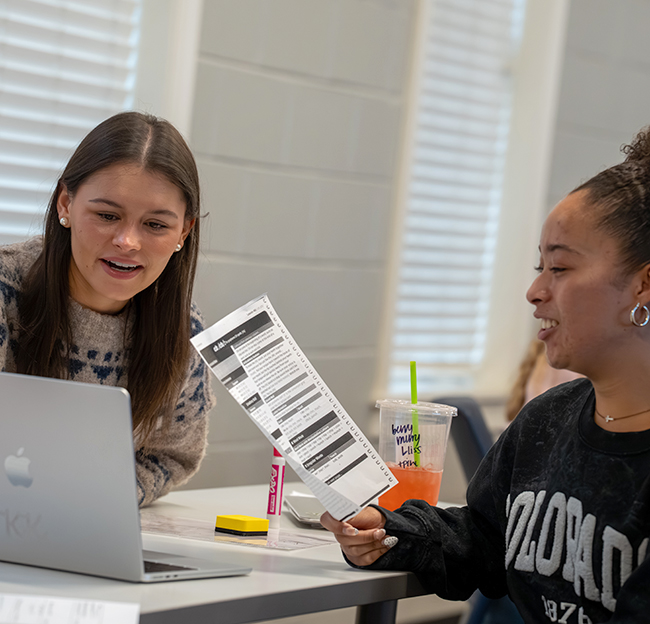
Designing Instruction
Designing instruction with AI starts with the learning goal, not the tool. Once teachers know what students need to understand and be able to do, they can explore how AI might help them create the materials to teach it, from sample data sets and slide decks to guided notes, assessments, and assignment templates. The aim is to make concepts clearer and to give students real opportunities to apply what they learn, so the thinking stays with the learner.

Supporting Learning
Supporting learning with AI means looking at how it can help students and teachers throughout the learning process, not just at the start or end. Teachers can explore tools and resources that deepen understanding, prompt reflection, strengthen classroom routines, and keep work organized. Used thoughtfully, AI becomes a steady support for the habits that help students learn, while the teacher stays in charge of the learning itself.
FAQs
Have questions about AI in the classroom? You are not alone, here are answers to what we hear most from students, teachers, and faculty.
No. AI can handle some of the repetitive, time-consuming parts of teaching, but it cannot build relationships with students, read a classroom or make the judgment calls that come from real teaching experience. It is a tool that supports teachers, not a substitute for them.
It depends on the task. Different models are stronger at different things, from writing support to lesson design to visual creation. We have worked with a variety of systems and each do things better and worse than another. Some projects even require using multiple platforms, either because the task involves both writing and visual elements, or simply to have one AI check the output of another for accuracy.
Always check what a tool does with the information you put into it before using it with student data or anything sensitive. Some tools are better suited for classroom use than others, but as a starting point, never upload sensitive materials to an AI.
This page exists to help build that comfort at your own pace, with real examples from people who have already worked through the same questions. It is meant to demonstrate what is possible, not require you to do anything with it.